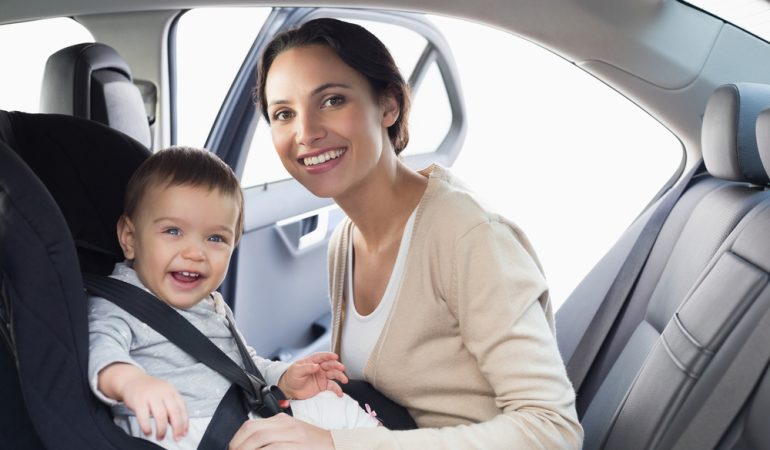
Is It Safe for Your Baby to Sleep in a Car Seat
Though not widely understood, babies certainly love sleeping in the car. This is probably due to the droning engine sounds reminding them of the womb and the jiggly movements that keep them stimulated to promote breathing. While most parents prefer seeing their babies asleep to enjoy the drive, it is generally unsafe for babies to sleep in car seats for long stretches.
However, this doesn’t mean your baby should never sleep in the car. Babies can safely sleep in a car seat for short stretches and with some caveats. Like pillow shopping, you should consider several factors before putting your baby to sleep in a car seat. Besides buying quality Diono car seats, below are a few tips to ensure your baby can sleep safely in a car seat.
1. Install the Seat Correctly
According to the American Academy of Pediatrics, infant or convertible car seats for kids aged below two years should be installed rear-facing. Most rear-facing seats should be installed between 30 and 45-degree angles. Fortunately, most manufacturers provide a bubble indicator or a line label that guides parents on the appropriate positioning of car seats.
Parents should ensure they install the product as per the manufacturers’ instructions. You should also observe age and weight requirements to make the seat safe for your babies. Visit your local hardware store or find experts online if you have challenges with the installation.
2. Only Use Approved Positioners
Most parents use infant positioners, especially if their baby hasn’t grown enough to fit the car seat. While positioners are beneficial, you should only use products that the car seat manufacturer has approved. If you bought the car seat with an infant insert and head pillow, it means the manufacturer has done enough crash tests to verify the quality of these products.
You’ll expose your baby to unknown uncertainties by using positioners, head pillows, and other accessories that the car seat manufacturer hasn’t tested. You should also be wary of car seat positioners designed to be used by infants of specific weights and heights. Always read the instructions to know when to remove positioning accessories from your car seat. The same applies when using car seats with baby strollers.
3. Buckle Up the 5-Point Harness
You should also buckle your baby snugly into the 5-point harness anytime they are in the seat. Like safety belts, the harness restrains the infants, keeping them secure in case of a crash. It also prevents your sleeping baby from sliding down, rolling over into the fabric, or squirming out of the seat during an uneventful drive.
Contrastingly, inclined infant sleepers, which position babies at 30 degrees when in their car seat, were not adequately tested for infant safety when asleep. They also have a 3-point crotch harness, which doesn’t prevent baby movements. Inclined sleepers position babies on a soft-padded curved surface, which increases suffocation risks. This explains why AAP warns parents against the use of inclined infant sleeping products. Babies should sleep on their backs, on a firm surface, and be unrestrained.
Endnote
Car seats are very safe for traveling, but not prolonged sleep. While parents should confidently use car seats in their vehicles, they shouldn’t be the baby’s preferred resting place. Inclined sleep products and car seats shouldn’t be used as a substitute for a bassinet or crib.


