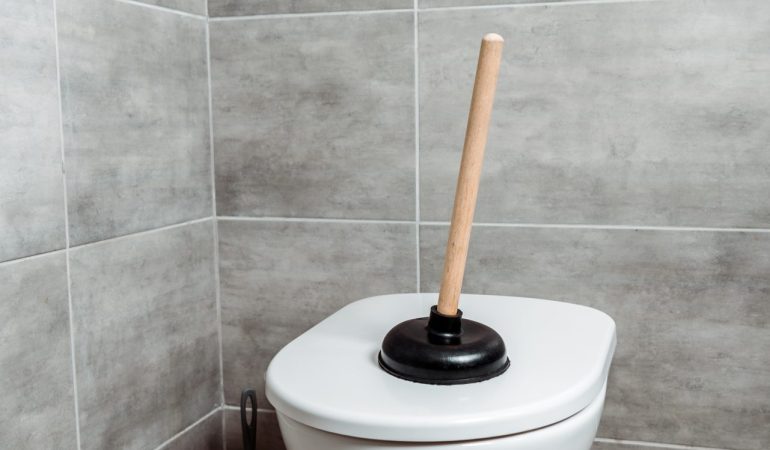
Easiest Ways To Unblock Your Toilet
While it’s not something we often talk about, clogged toilets are a part of life. There can be many reasons why blockages build up and it can be embarrassing to admit that you need help. Luckily, there are a host of solutions that can be taken care of in private with little fuss. There will be times where a plumber will be necessary, but before getting to this point, let’s take a look at the easiest ways to unblock your toilet without help.
Best Techniques for Clearing Blocked Toilets
Whether you have a visible blockage, notice a rise in your toilet’s water level, or experience slow drainage, dealing with a blockage can be a good idea before things progress. In many instances, a simple fix will do, so why not try:
Hot water and dish soap
The first port of call that will clear an array of simple blockages is hot water and dish soap. Begin by ensuring a low water level (remove some with a cup or bucket and dispose of it down an external drain), pour in some dish soap to lubricate the bowl and waste outlet, and fill with 2-3 liters of hot, but not boiling, water (after 10 minutes). The faster you pour, the safer and more effective this process will be. You’ll know your efforts have been successful if the water level falls within a few minutes.
Baking soda and vinegar
For slightly more stubborn blockages, homes without a septic tank or a cesspit should opt for the baking soda and vinegar method. This combination will be effective for large yet soft obstructions and will work to break down matter with its fizzing effect. Again, lower the water level and then add one cup of baking soda and one to two cups of white vinegar into the toilet bowl, depending on the scale of the blockage. Wait for 10-15 minutes before pouring 2-3l of hot water in and flushing. If successful, everything should function as normal.
Wire hanger
For visible issues, it may be a good idea to grab a wire hangar, bend it to shape, and work to break down or push the obstruction through. Wire can scratch porcelain, so be sure to protect sharp ends with tape or even an old rag or piece of material. Water should drain pretty quickly, indicating that this method has worked.
Do’s and Don’ts of Toilet Unclogging
As toilet surfaces and components are not typically durable, always be sure to protect external and internal surfaces as best you can. Don’t use scalding water, caustic fluids, or harsh chemicals, and always get expert advice if problems are severe or reoccurring. If the above methods don’t work after a couple of attempts, it may be time to call a toilet repair plumber to ensure things are taken care of in the right way.
How to Keep Your Toilet Clog-Free
To prevent further issues, there are some best practices to follow, such as cleaning your toilet regularly, keeping limescale buildup to a minimum, and never flushing food items, non-flushable materials, or excessive amounts of toilet paper. It can be a good idea to be mindful of the items around your toilet (such as children’s toys, toiletries, and similar) to ensure that nothing falls in and causes issues that could cost you money.