8 Things to Know About Managing Diabetes
Diabetes is a condition that affects millions of people worldwide, altering the way their bodies process blood sugar. With its growing prevalence, understanding how to manage this condition effectively is more crucial than ever.
This article aims to shed light on key aspects of diabetes management, from recognizing the type of diabetes you may have to the lifestyle changes you need to make to manage your diabetes. Let’s take a look.
1. Understanding Your Type
Diabetes manifests in several main types, including Type 1, Type 2, and gestational diabetes, each demanding its own approach to management.
Type 1 diabetes, often diagnosed in children and young adults, is an autoimmune condition where the body fails to produce insulin. Managing Type 1 involves daily insulin administration, diet adjustments, and regular blood sugar monitoring.
Type 2 diabetes, more common in adults, results from the body’s inability to use insulin effectively. Management includes lifestyle changes, oral medications, and sometimes insulin. Gestational diabetes occurs during pregnancy and usually resolves after birth but requires monitoring as it increases the risk of developing Type 2 diabetes later.
2. Consistent Monitoring
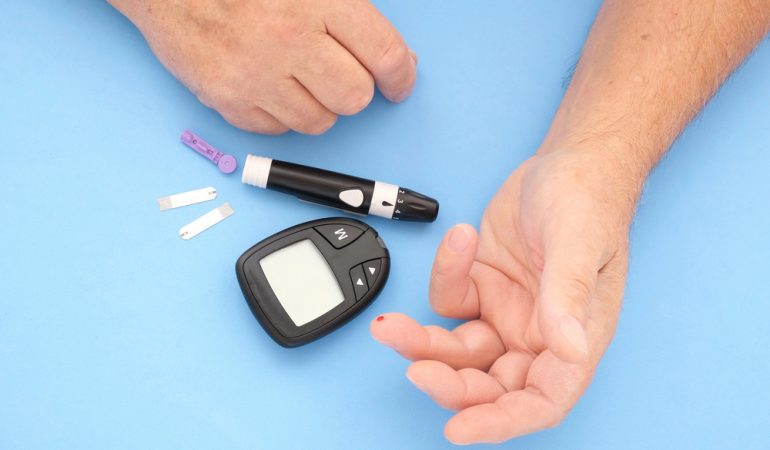
Durable medical equipment (DME) plays a pivotal role in diabetes care, offering individuals the tools they need to monitor and manage their condition effectively. Key equipment includes blood glucose meters, continuous glucose monitors (CGMs), and insulin pumps. These devices provide real-time insights into blood sugar levels, helping to adjust diet, exercise, and medication.
For those wondering how to access these tools, search online with the keywords durable medical equipment supplies near me. Local pharmacies and medical supply stores often offer a range of products tailored to diabetes care. Selecting the right equipment involves understanding your specific needs and consulting healthcare providers to ensure the tools complement your management plan.
3. Diet and Nutrition
Eating a balanced diet helps maintain blood sugar levels within the target range. Carbohydrates have a significant impact on blood sugar, and understanding how to count carbs is essential. Incorporating a variety of nutrients in your meals, including fiber, lean proteins, and healthy fats, can also help manage diabetes.
Consulting with a dietitian can provide personalized dietary advice, making it easier to navigate meal planning while satisfying nutritional needs.
4. Exercise and Activity
Routine physical activity is advantageous for all but particularly crucial for individuals managing diabetes. Physical activity helps control blood sugar levels, reduces cardiovascular risk, and promotes overall well-being.
Aim for a mix of aerobic exercises, like walking or swimming, and resistance training to improve insulin sensitivity and muscle strength. It’s important to start slowly and gradually increase the intensity and duration of your workouts. Monitoring blood sugar before and after exercise can help prevent hypoglycemia, a common concern for people taking insulin or certain oral diabetes medications.
5. Understanding and Managing Risks
Managing diabetes goes beyond daily blood sugar control; it also involves being aware of and mitigating long-term health risks. Complications like cardiovascular disease, kidney damage, and neuropathy are more common in individuals with uncontrolled diabetes. Regular screenings for these conditions are essential.
Being proactive in your healthcare can help you avoid these complications and maintain a high quality of life.
6. Regular Check-Ups
Consistent engagement with healthcare providers is crucial for successful diabetes management. Regular check-ups allow for the monitoring of blood sugar levels, assessment of medication effectiveness, and early detection of potential complications. These appointments are opportunities to adjust treatment plans based on current health status and to receive personalized advice.
7. Mental Health and Support
Living with diabetes can be challenging not just physically but also emotionally. It’s common to experience feelings of frustration, fear, and even depression. Acknowledging the importance of mental health is a critical component of diabetes care. Seeking support from mental health professionals, joining diabetes support groups, or simply talking with friends and family can provide the emotional support needed.
Remember, you’re not alone in this journey. Having a support network can make managing diabetes more manageable and less isolating.
8. Lifestyle Adjustments and Personal Commitment
Successful diabetes management is rooted in making informed lifestyle choices and committing to them long-term. This involves adopting a healthy diet, incorporating regular physical activity into your routine, monitoring blood sugar levels, and adhering to medication regimens. Personal commitment also means being proactive in seeking information and resources, including educating oneself about durable medical equipment and how it can aid in daily management.
Embracing these changes as part of your life can dramatically improve your health outcomes and overall well-being.
Conclusion
Diabetes management requires understanding, diligence, and a proactive approach to care. From recognizing the type of diabetes and utilizing durable medical equipment to maintaining a balanced diet and engaging in regular physical activity, each aspect plays a vital role in controlling the condition.
Ultimately, personal commitment to making and sustaining these lifestyle adjustments is key. With the right strategies and support, individuals with diabetes can lead healthy, active lives.


